First, what do I mean by the feeling I have had most of my life: that I don’t belong?
It’s not difficult for me to identify elements of my young life which embedded these feelings: my mother’s unstable mental health meant that I was passed between relatives at times, and that I was witness to her withdrawal from me. She would disappear in more ways than one, and, not only was I then virtually on my own physically, I was on my own emotionally too of course. Any three year old who stands aside and observes is bound not to feel part of things.
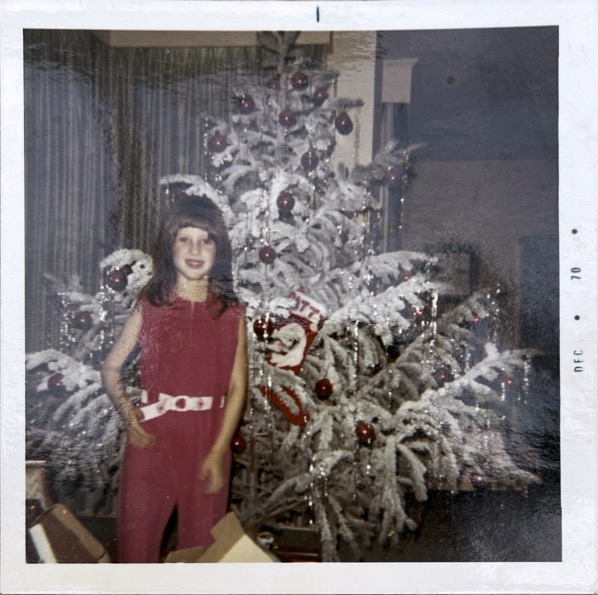
When I was six and a half, I went to live with my father, his new wife, and their children, aged six months and two years old. As my parents divorced before I was one year old, and as for some reason I didn’t see my father — I had only met him and my stepmother once before moving in with them.
So I entered the house already an outsider, a role cemented soon after by my father’s grooming and sexual abuse of me.
Keeping secrets separates you from the rest of your life. Like most in this situation, I learned to pretend. Pretend to be a ‘normal’ teenager. Pretend that things were okay in my house. This fragmentation — the reality of what I was living through and carrying with me, alongside my daily life in school and with friends — for years and years meant that I lived parallel lives.
I have never presented as ‘damaged’. I was able to keep going simply because I kept going. I guarded my independence once I left the family home, I pulled myself away from everyone and everything — with smiles, with humour, and sometimes out of a real love — in order to keep the ugliness — of me, of my inner life — away from them.
Versions of this fragmentation, this ‘other-ness’, haunt most survivors I think. From it, we know we do not ‘belong’, and feel we never will. It can be such a heavy, unspoken burden in life, one that spills over into ‘not belonging’ anywhere — in your work, in your culture, in society. No matter if others treat you like you belong: if you feel deep down you don’t belong, ‘other-ness’ can be unshakeable.
***
So, second: I know now that I belong. And indeed, never in my life have I felt such a sense of belonging, in every way. You may ask youself, how did I get here? (Talking Heads, 1980).
Over the last few years, the floating icebergs that I used to feel shifting inside me, drifting, have gathered in one place. There are bridges now between them, paths through them, leading one to the other. There is a layer of fresh snow, which, once walked upon, connects the pieces in a kind of knowledge and acceptance.
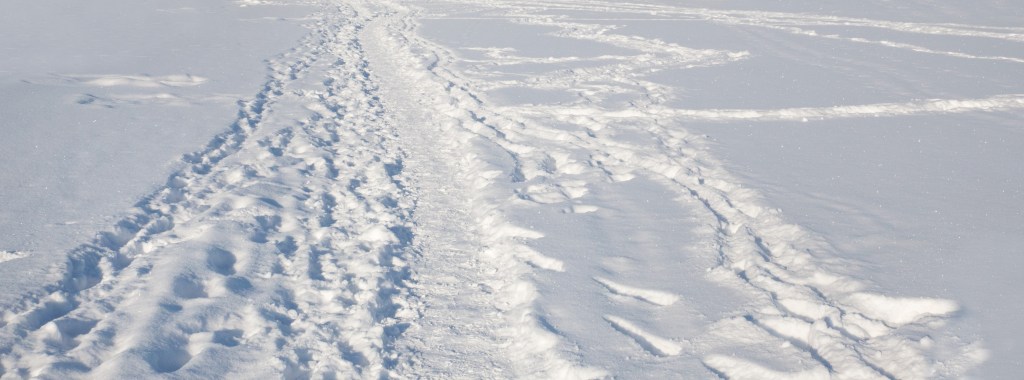
This fresh snow:
- everyone I know and almost everyone I meet becomes aware that I am a survivor, and that, yes, I am now thriving
- no secrets anymore, ever, from anyone
- my friends and family — all of them — meet me where I am
- understanding that perfection is not a condition of loving or being loved
- I allow those close to me to take care of me
- no pretending, and no soft-pedalling, around my truths, and my mental and physical health
- I have been hurt, wounded for life — but here I am nevertheless, so blessed to love and be loved
I feel I belong in this world now. And that I am not alone.
***
Finally, third. The connections I have forged with the survivor activist community and its allies have been life-changing, and life-affirming. In a room of survivors, there is no scanning for harm, no second guessing what can and can’t be said. No rush to ‘fix’ difficult emotions.
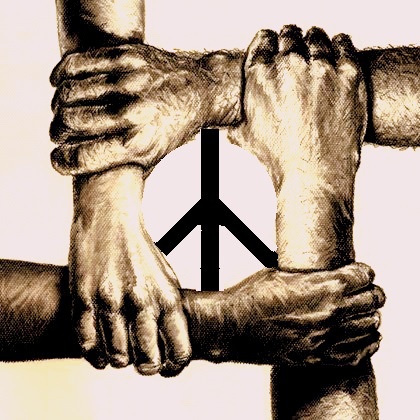
We are all, each one of us, whole people. With whole lives, separate struggles, and particular concerns. But we are united in our understanding of what constitutes damage, loss, scapegoating, toxic family dynamics. We are united in our understanding of what constitutes abuse. We do not feel the need to prove anything, or even to offer our life narrative. None of this matters. What matters is the drive for change.
We held our first workshop under the umbrella of Remembering Together in March this year. It was possibly the most uplifting experience of my life: the most grounded I had ever felt with others, the most accepted, the most understood, the most unconditional. All of us strong survivor activists devoting ourselves — some across decades — to raising awareness, changemaking, and the prevention of child sexual abuse.
We all know so much needs to change. This project is the first of its kind — putting together a toolkit for archiving survivor activist materials and life experiences. Maybe, just maybe, we can consolidate activities from the last 50 years and begin to say so loudly we cannot be ignored: We are here! We are here! (and more than sensitive-eared Horton cares).
Survivors of child sexual abuse make up 15% of the population. And despite decades of work by individuals and brilliant organisations — this statistic has not shifted. Despite several government reports and inquiries: almost all of the recommendations in them have not been acted upon.
Remembering Together offers a start. A way in to gaining some critical mass. We all know things need to change. But the taboo, the distaste, the revulsion even — all perpetuate the abuse. Time and again our momentum has been dissipated, disbanded, unfunded.
There have always been activists. And quite suddenly, without any forethought, I find that I am one.
And I belong here. The joins between the icebergs are smoothed. I am integrated. I am myself, and I know where I belong.